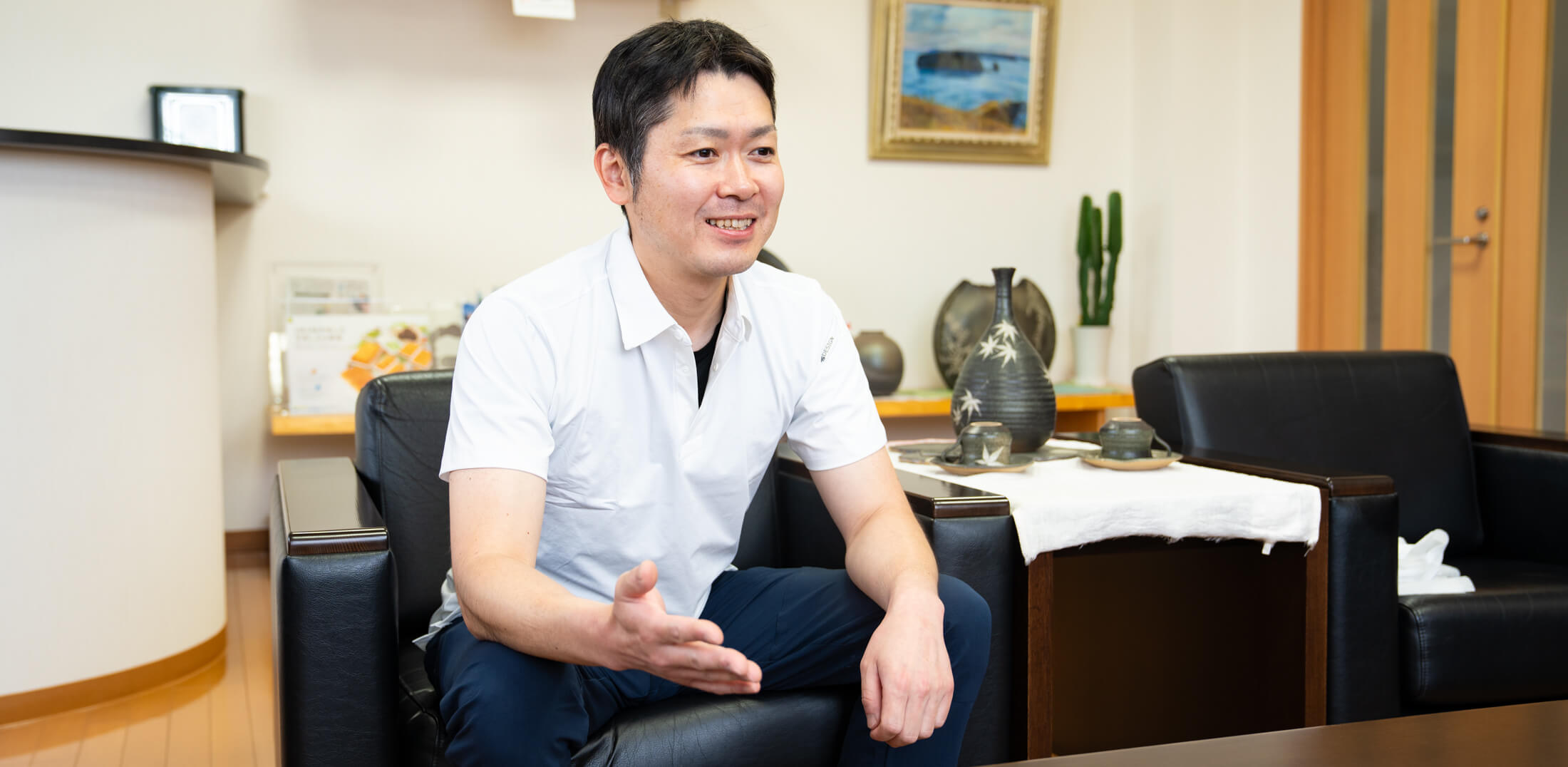
After years of trial and refinement,
we finally arrived at nitrogen-infused water.
After years of trial and refinement, we finally arrived at nitrogen-infused water.
Takashi Ishihara, Plant Manager, Kushiro Facility
Our Commitment to Processing
Our commitment to water quality comes from our commitment to freshness.
Preserving freshness means preventing oxidation and slowing deterioration as quickly as possible.
Since our founding, we have continually refined the water used in our processing. This pursuit ultimately led us to nitrogen-infused water,
which helps reduce oxidation and preserve the sea urchin’s freshness.
Our commitment to water quality comes from our commitment to freshness. Preserving freshness means preventing oxidation and slowing deterioration as quickly as possible.
Since our founding, we have continually refined the water used in our processing. This pursuit ultimately led us to nitrogen-infused water, which helps reduce oxidation and preserve the sea urchin’s freshness.
Why Water Quality Matters
INTERVIEW
You mentioned that water quality has been a priority since the company was founded. How has that commitment evolved over the years?
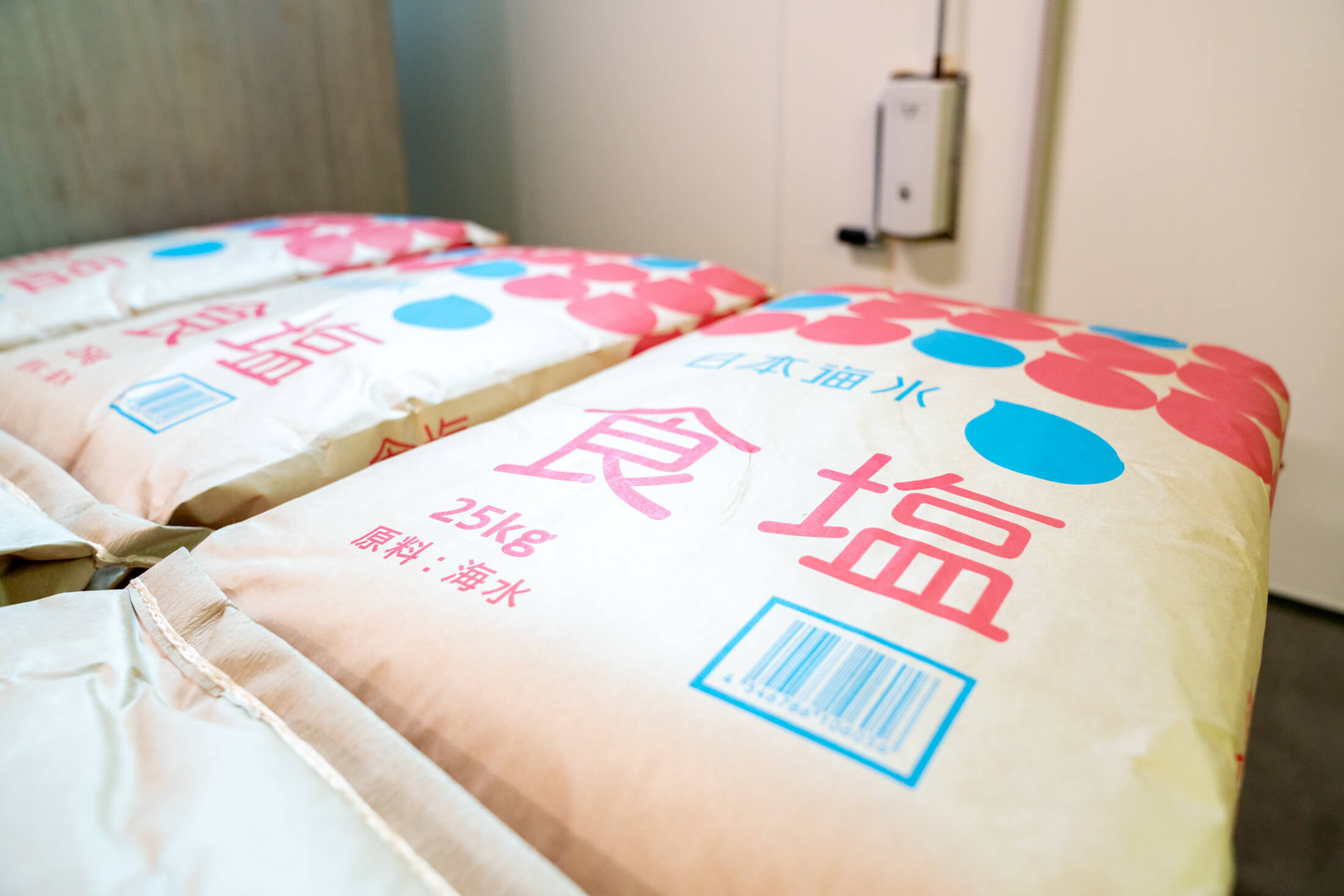
This goes back to when our chairman first started the processing plant. Because water travels through pipes, he experimented with attaching magnets to the pipes, believing that this could improve the condition of the water.
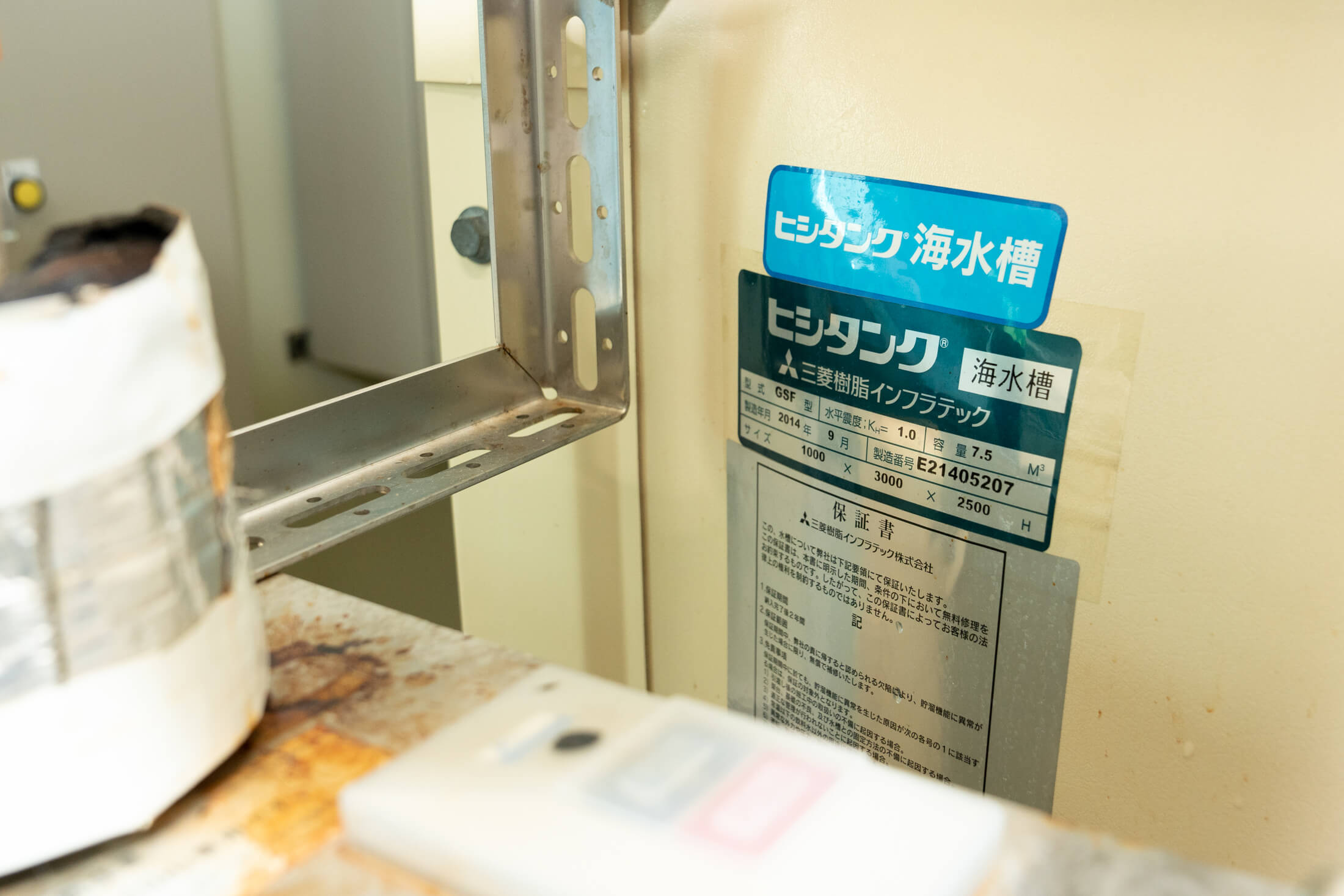
Our president inherited that same dedication. Today, we use specialized equipment to prepare the saltwater used in processing, but even after the system was installed, he did not rely on it immediately. For many years, he continued to measure and mix the water himself to make sure everything was just right.
That is how seriously we have always taken water quality—and we continue to monitor it with the utmost care today.
Why Is Water Quality So Important?
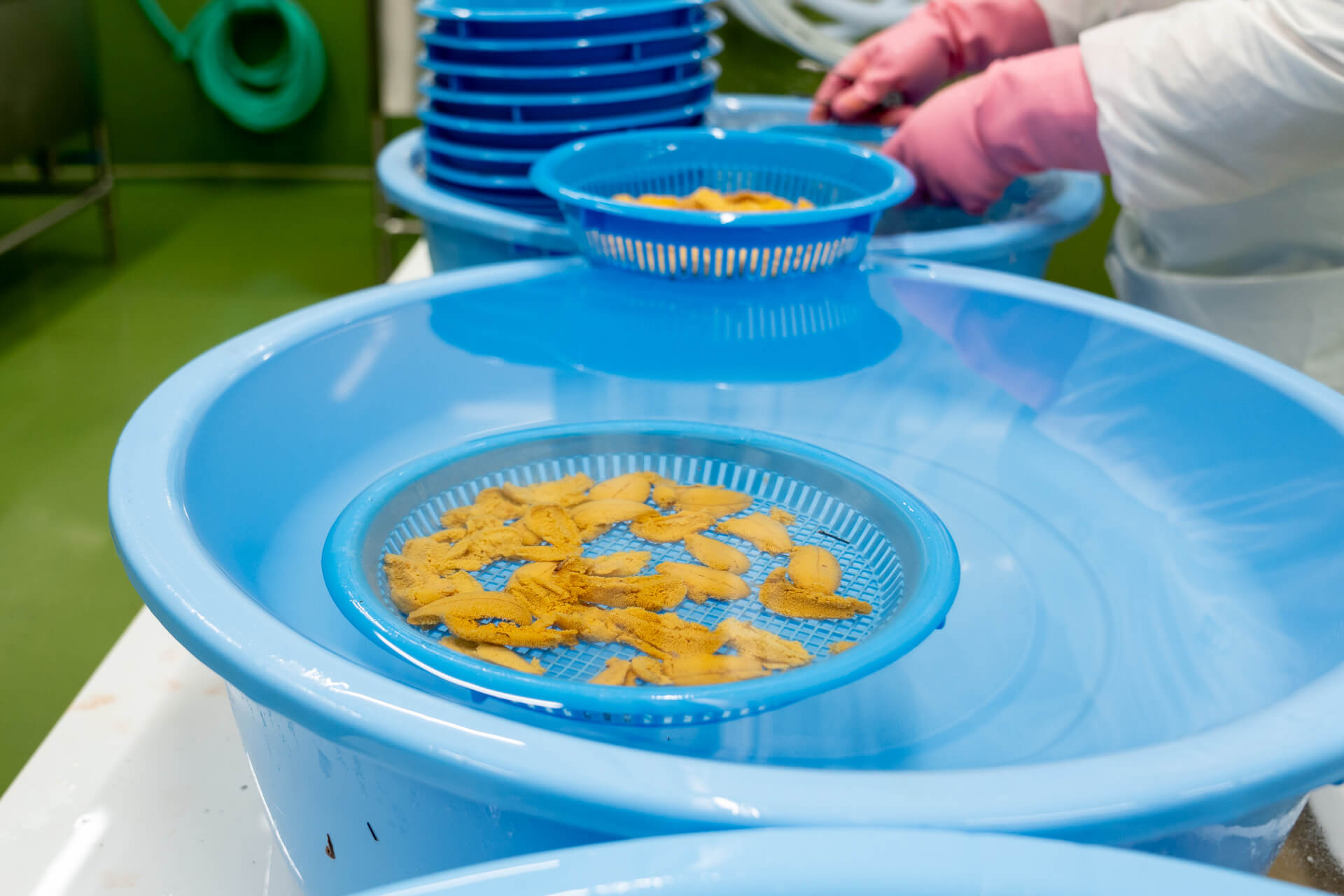
Our focus on water comes from our commitment to freshness. Keeping sea urchin fresh means preventing oxidation and slowing deterioration as quickly as possible. That is why the water used during processing is so important.
The alum used in processing is itself tasteless and odorless. What is sometimes described as an “alum taste” can occur when the sea urchin has begun to lose freshness and the alum intensifies the resulting bitterness or unpleasant aftertaste.
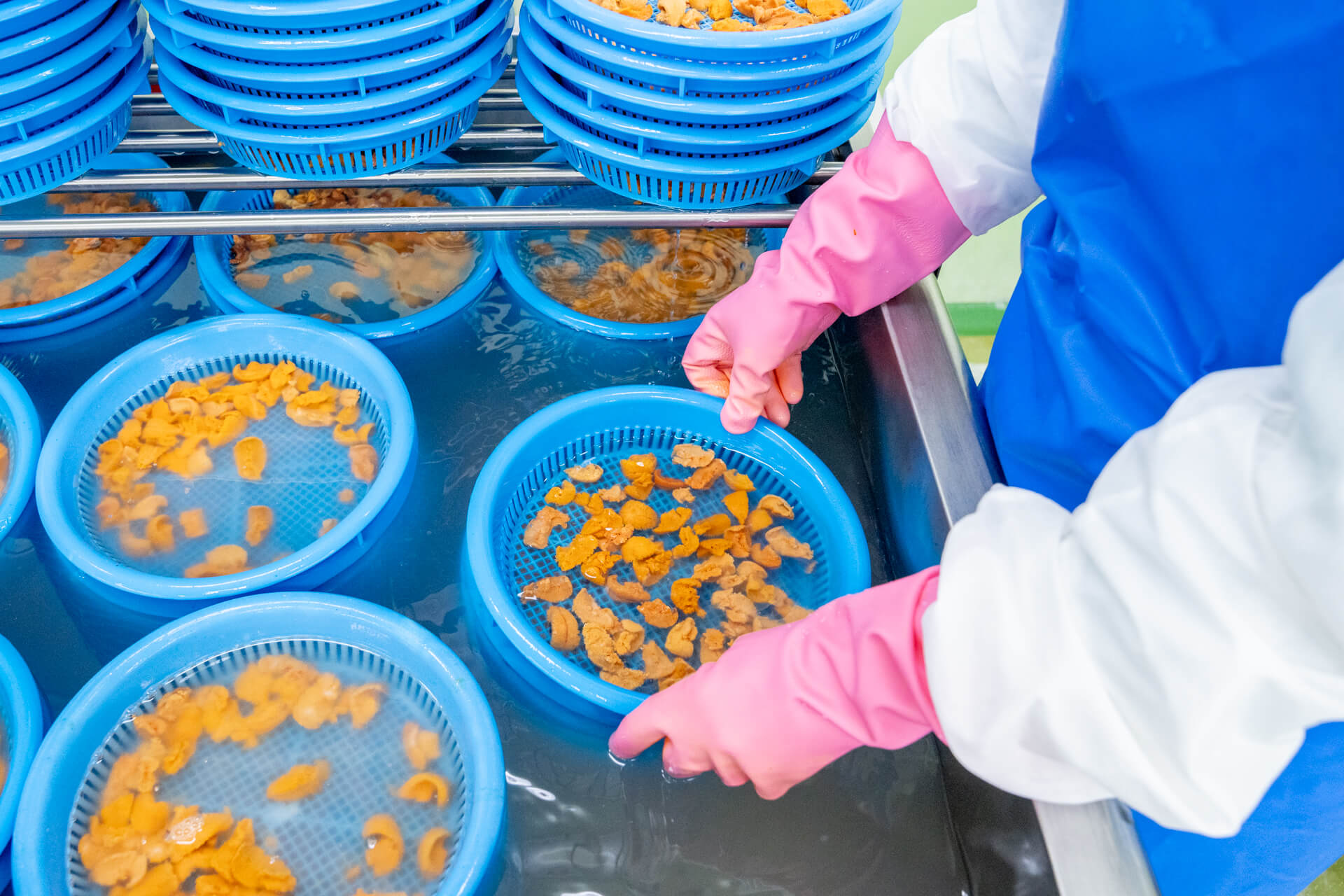
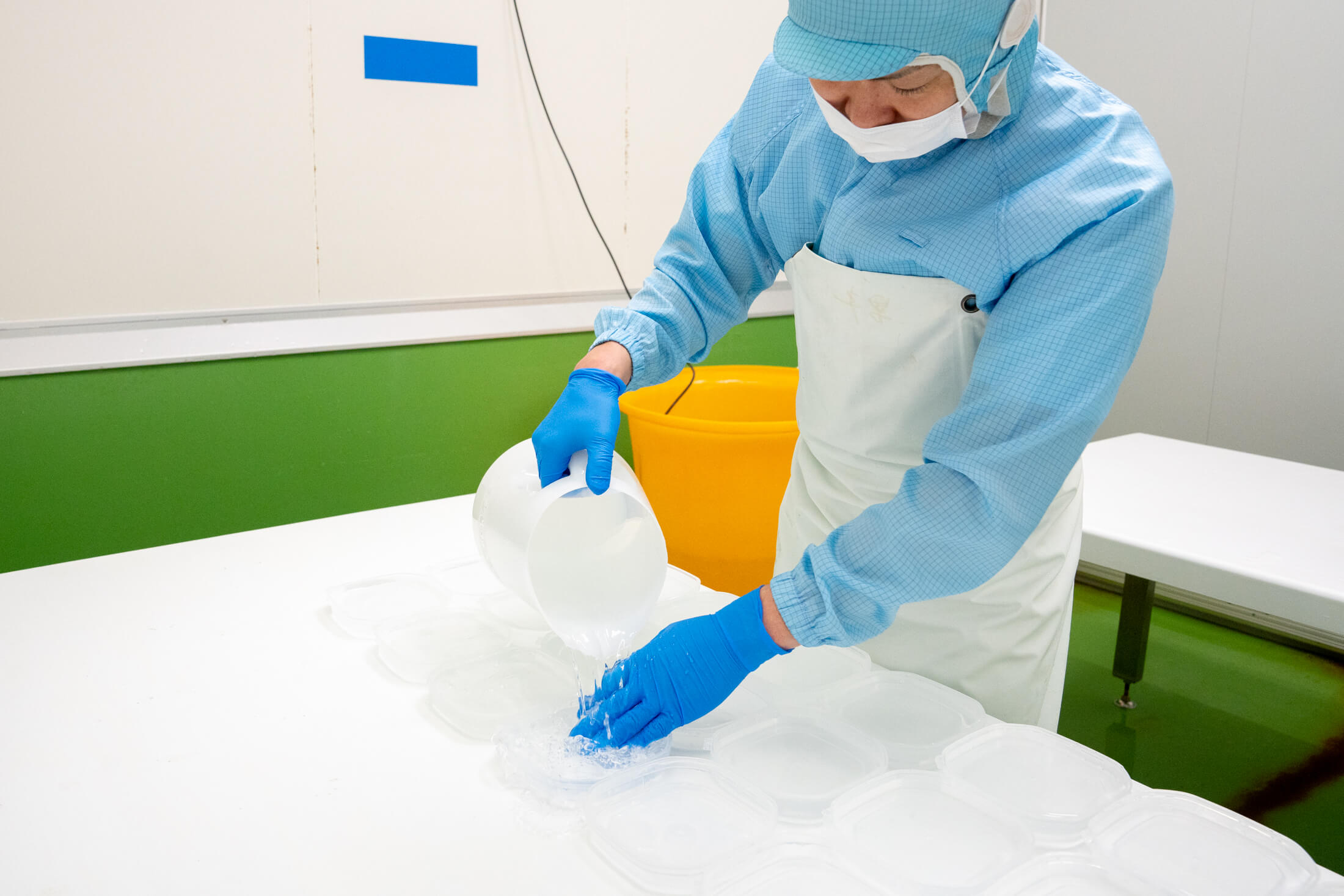
To prevent this, we carefully wash away any residue and impurities during processing. This requires a great deal of clean water, but it is essential to preserving the sea urchin’s natural flavor and quality.
Could you tell us about the process that led to introducing nitrogen-infused water?
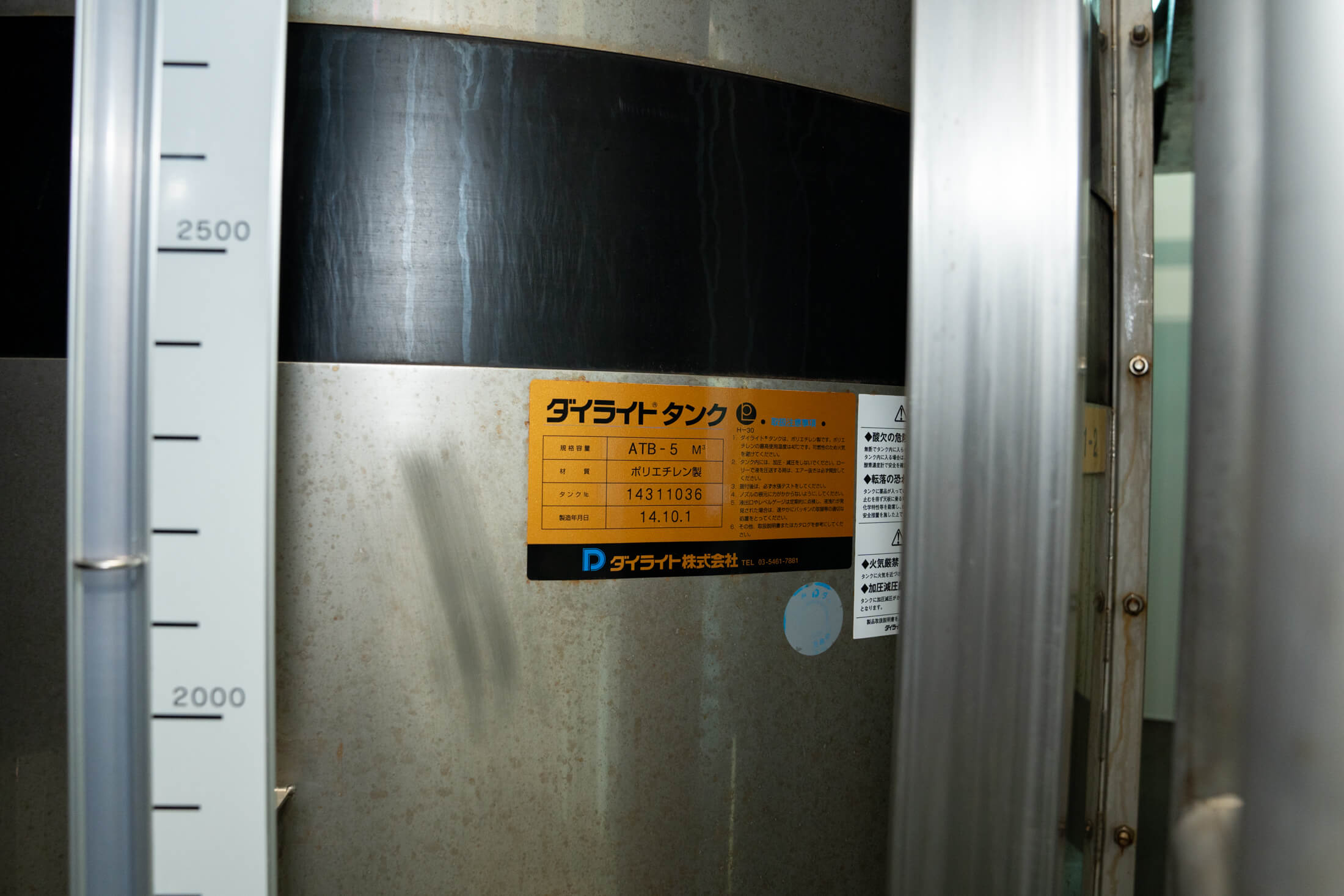
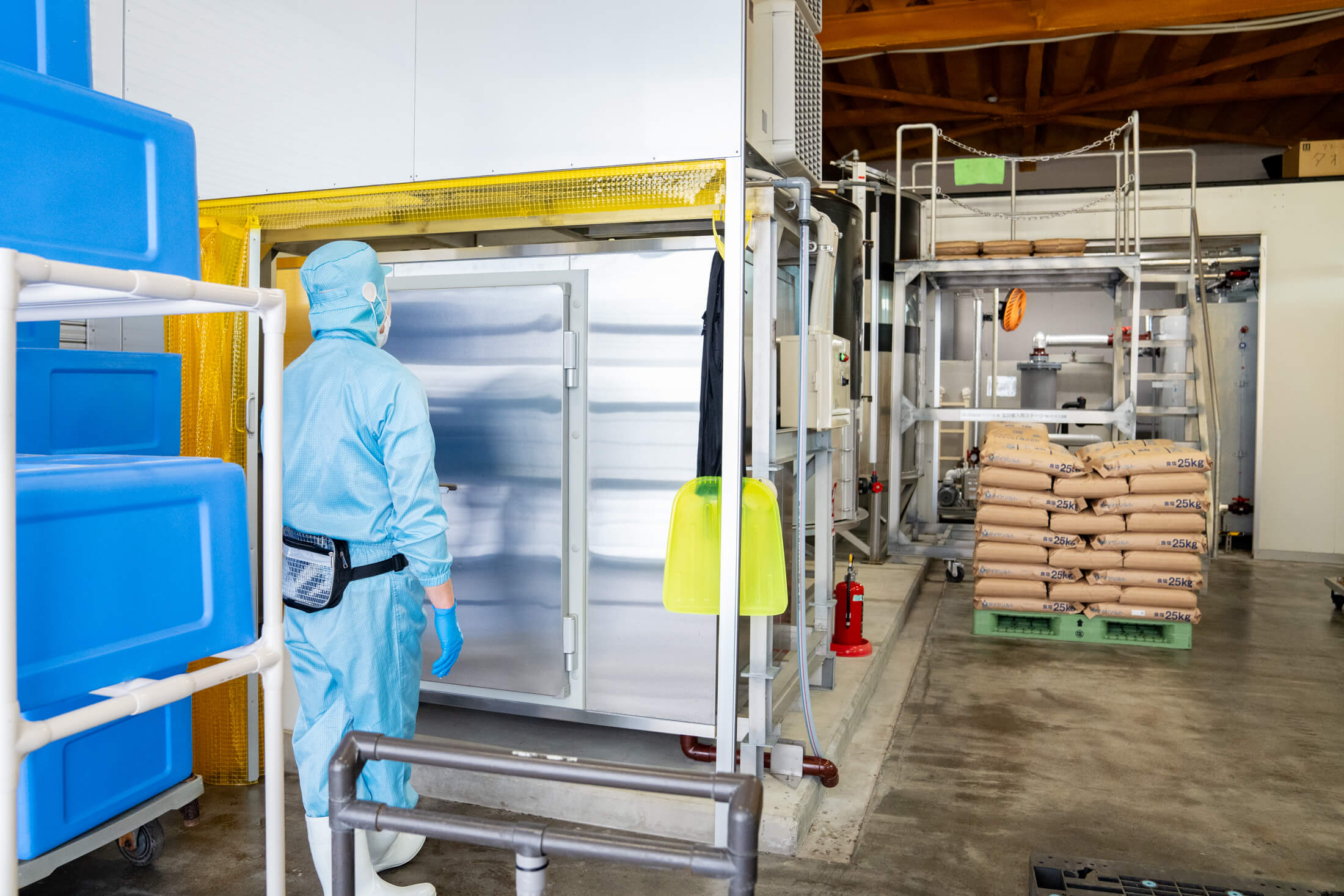
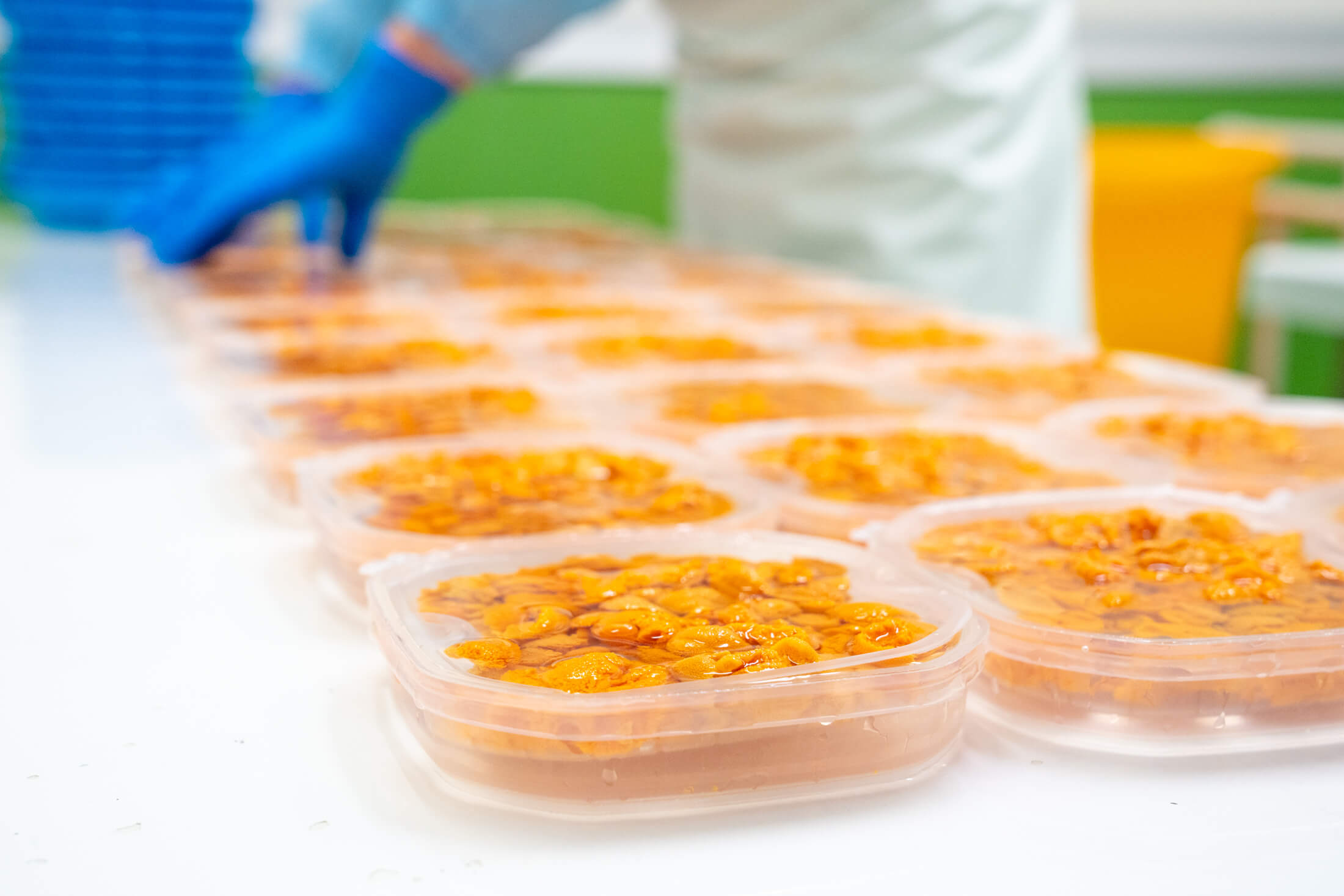
Before arriving at our current nitrogen-infused water system, we experimented with a number of different methods, including nanobubble water developed in the Tohoku region and ozone gas for sterilization.
Because ozone gas was difficult to manage, we began searching for an alternative when the Kushiro facility was newly built and relocated in 2006. After testing various options, we chose nitrogen-infused water because we believed it offered the best balance of safety, hygiene, and effectiveness in preserving the quality of our processed sea urchin.
What Is Nitrogen-Infused Water?
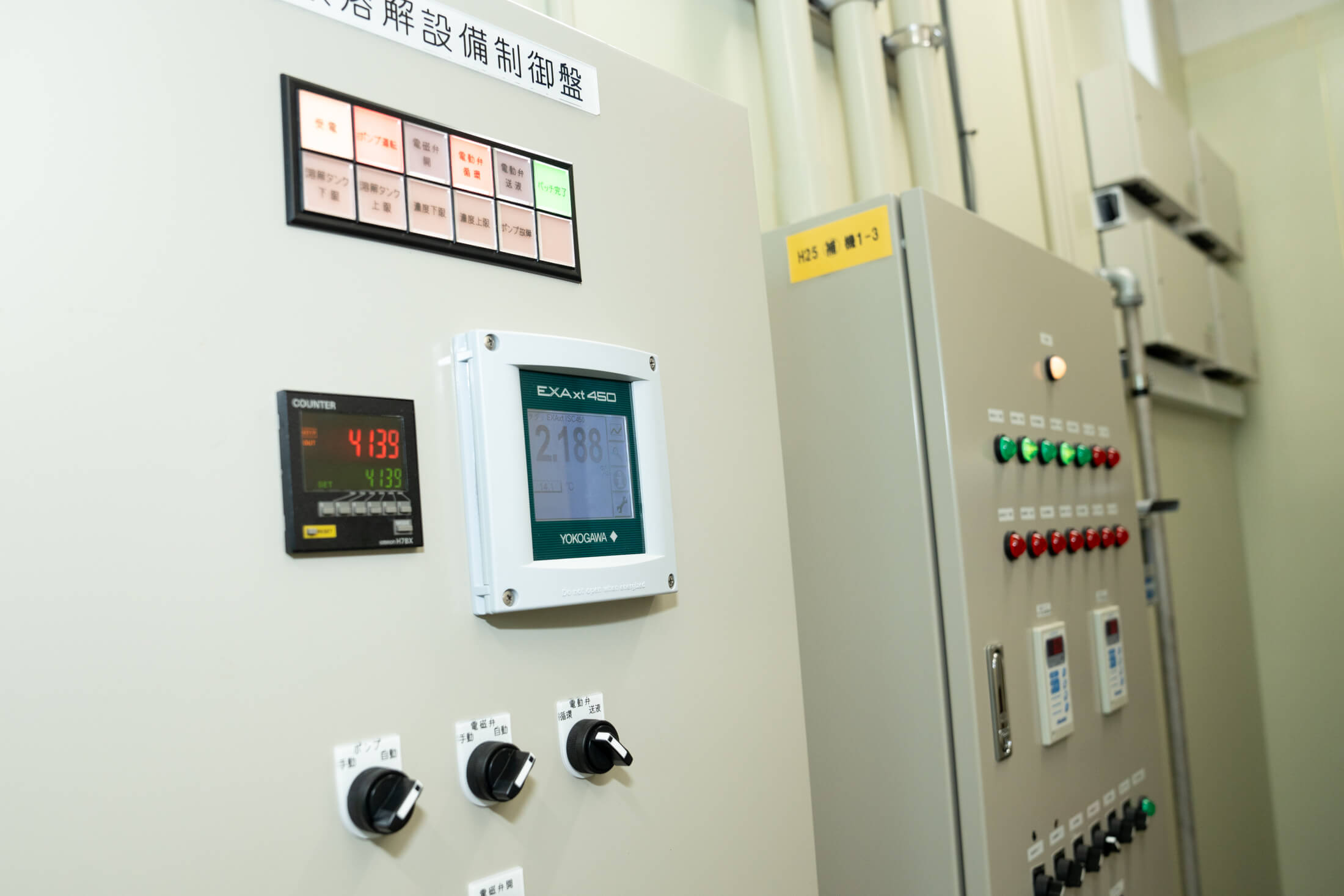
Nitrogen-infused water is produced by replacing the dissolved oxygen in water with nitrogen gas, helping to reduce oxidation.
Inspired by nitrogen ice technology already developed by Showa Refrigeration Plant Co., Ltd., we worked closely with the company to develop a system suited to our facilities and processing methods.
By introducing this oxygen-reduced water, we are able to slow oxidation and inhibit bacterial growth, allowing us to deliver sea urchin with even greater freshness.
Ogawa Suisan Co., Ltd.
Head Office:
40-3 Nakanohama, Hamanaka-cho, Akkeshi-gun, Hokkaido 088-1531, Japan
Kushiro Factory:
4-1-30 Hoshigaura Odori, Kushiro, Hokkaido 084-0913, Japan